

Sales leaders need sales planning software to better analyze data, set realistic quotas, and optimize strategies in real-time to close more deals.
We researched dozens of sales planning software, went over verified customer reviews on G2 and Capterra, and talked to sales managers to create this guide.
In this article, we will review ten sales planning tools, their top features, pros and cons, and pricing models.
Before we begin, let’s go over a few factors to consider when evaluating sales planning platforms. ⤵️
Factors To Consider When Evaluating Sales Planning Software
#1: Integrations With Existing Sales Systems
A common complaint sales managers have is that their sales planning tool does not have native integrations with existing sales systems.
Integrating your sales planning software with your existing tools will keep your customer data synchronized to make information accessible to everyone.
➡️ The sales platform should seamlessly connect with your current CRM system and/or marketing automation platforms to ensure a smooth flow of prospect information.
#2: Range of Sales Planning & Pipeline Management Features
Sales leaders should be looking for planning tools that have a comprehensive range of sales pipeline management features.
Features to look out for include:
- Lead pipeline visualization, such as a Kanban board.
- Deal forecasting features to help your sales team focus on high-value prospects. That includes lead scoring and opportunity identification features.
- Task automations to save time, ideally with ready-to-use automations or being able to build your custom automations in a no-code environment.
- Reporting and analytics so your team can build reports and get access to insights.
- **Territory planning,**such as being able to plan your sales territories for different products, target audiences, industries, and countries.
#3: Cost Structure
Different sales planning solutions have different ways of pricing their products.
For example, some sales platforms offer pricing models based on the number of user seats you will need, while others have tiered pricing models with features.
The pricing model you choose can impact your ROI and can turn out to be quite expensive in the long run if you plan on onboarding many sales reps.
💡 Smaller teams usually would benefit more from tools that base their pricing on seats, while bigger sales teams benefit more from tools that base their pricing on features.
The 10 tools at a glance
These tools plan different things. Arrows plans each deal. HubSpot, Salesforce, and Pipedrive are CRMs that run your pipeline. Gong and ZoomInfo analyze calls and deal risk. Varicent and Anaplan plan territories, quotas, and capacity. Proposify handles proposals, and DeepLoop scores leads.
#1: Arrows (our product)- Plan each deal and get the work between calls done.
#2: HubSpot- Set up an enterprise all-in-one sales planning platform.
#3: Salesforce Sales Cloud- Sync your sales data across different platforms to track your leads.
#4: Gong- Analyze customer interactions across multiple platforms.
#5: Varicent- Plan and analyze your GTM strategy.
#6: Zoominfo- Keep track of risky deals.
#7: Proposify - Send out branded proposals and quotes.
#8: Anaplan - Sales territory planning based on product line, industry customer, or country.
#9: Pipedrive- Plan and automate your sales pipeline.
#10: DeepLoop- Score leads, capture data, and automate workflows to save time.
#1: Arrows
Best for: Planning and doing the work on each deal, for teams of 3 to 30 reps who sell virtually.
Arrows is promptless AI for account executives: it starts the work on each deal itself, without a rep asking.
Tools like Anaplan and Varicent plan the quarter: territories, quotas, and forecasts. Arrows doesn’t do that part. It plans each deal, because a quota plan only works if each deal gets worked. It reads your call transcripts, emails, CRM, and notes, builds a plan for each deal from your team’s playbook, and keeps it current as the deal moves.
Feature #1: Your playbook, applied to every deal
Ask your best rep to walk you through their open deals. They’ll know the plan for a handful of them. The rest get improvised.
Arrows gives every deal the plan your best rep would write. Each gameplan is a list of next steps for that deal, such as a pre-call brief to review, a recap to send, or a stakeholder map to build.
Feature #2: The work between calls, done
Arrows does the work you expect reps to do, and the work you wish they did:
- Call prep before every meeting.
- Follow-up emails drafted from what the buyer said on the call.
- CRM updates written back to the deal.
- Multi-threading, with research on the other people who sign off on the deal.
- The right case study for the deal, sent with the follow-up.
- Every date the buyer mentions, tracked, with nudges when a deal goes quiet.
A rep approves each piece of work before Arrows sends or saves it.
Feature #3: Works with the CRM and notetaker you already use
Arrows works with HubSpot, Salesforce, Pipedrive, Close, and Attio, and with Gong, Fathom, Granola, Grain, and Fireflies for call notes. It also connects to Gmail, Outlook, and Google Calendar. See the CRM integrations.
Pricing
Arrows doesn’t publish prices. It’s priced on the work, not the seats. See how pricing works.
Pros and Cons
✅ One shared playbook, applied to every deal instead of each rep’s top few.
✅ Works with the CRM and notetaker your team already uses.
⚠️ Doesn’t plan territories, quotas, or forecasts.
⚠️ Not a CRM. It works on top of one.
#2: HubSpot
**Best for:**Setting up an enterprise all-in-one sales planning platform.
Similar to: Salesforce, Pipedrive.
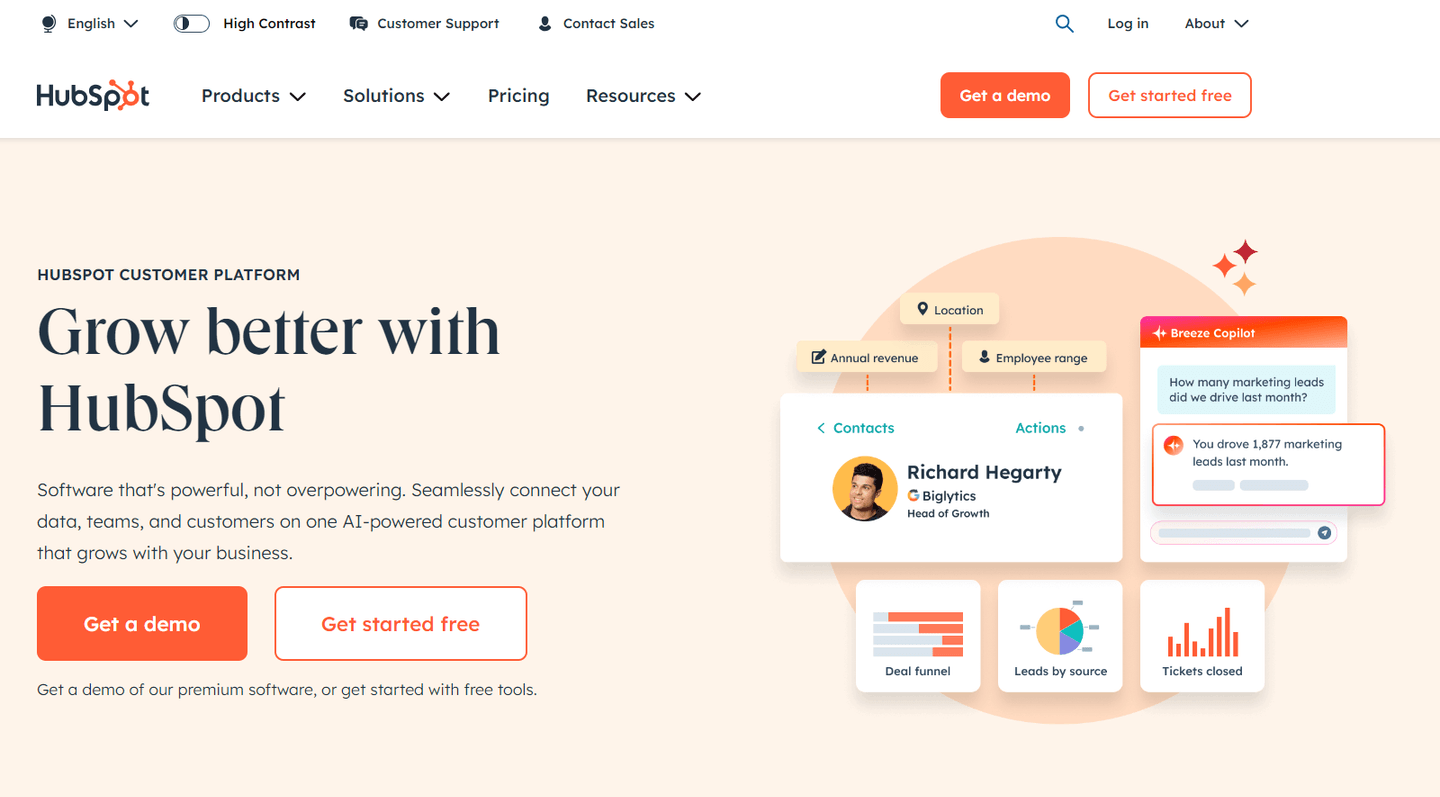
HubSpot is an all-in-one sales planning solution that lets you connect your data and manage new and prospective clients.
Features
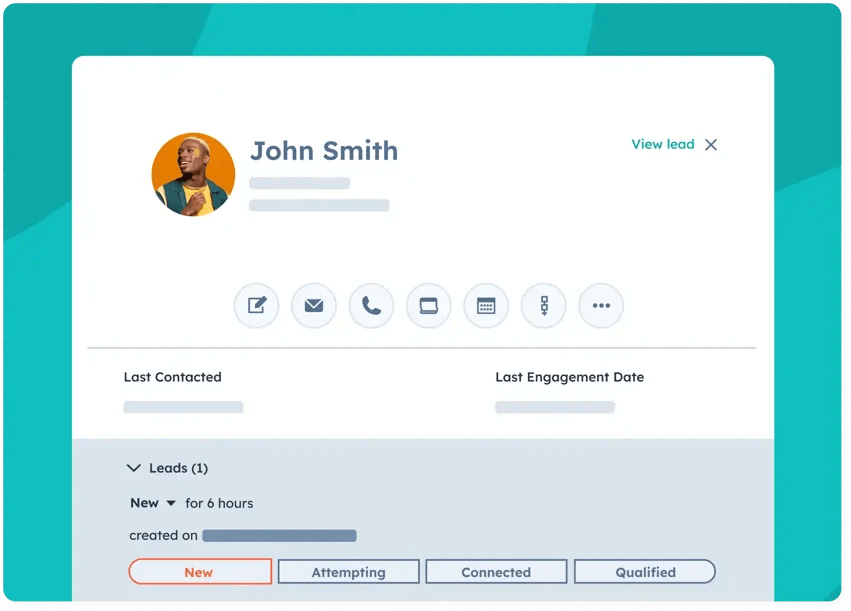
- **Sales hub,**where you can manage your deals, do reporting, look at sales and help send quotes and CPQs.
- **Sales automations,**which help your team to scale lead outreach with tailored email sequences.
- Breezefeature that lets you analyze the buyer intent of your leads and act as your sales assistant.
Standout Feature: Deal Management
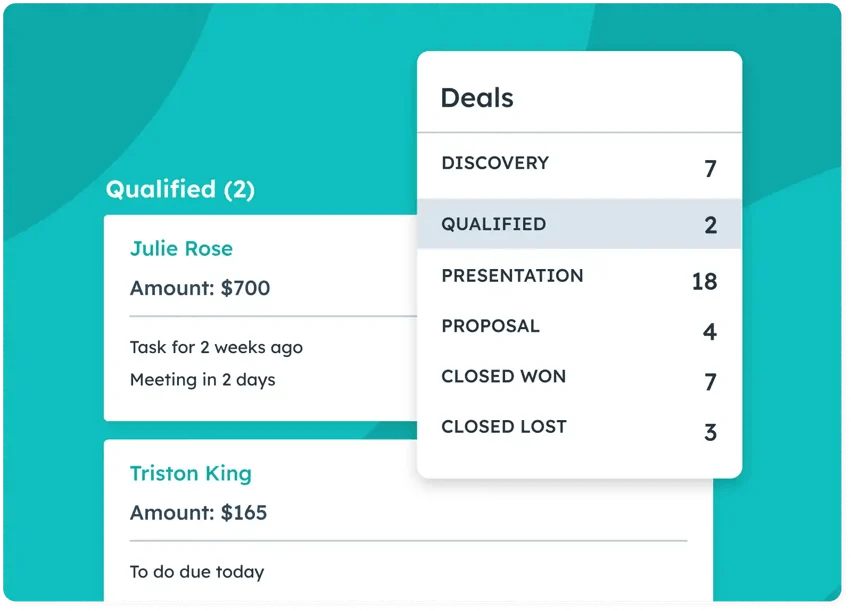
HubSpot offers deal management tools to help your sales reps close more deals with guided selling features that prevent missed opportunities due to inaction.
Pricing: HubSpot Sales Hub
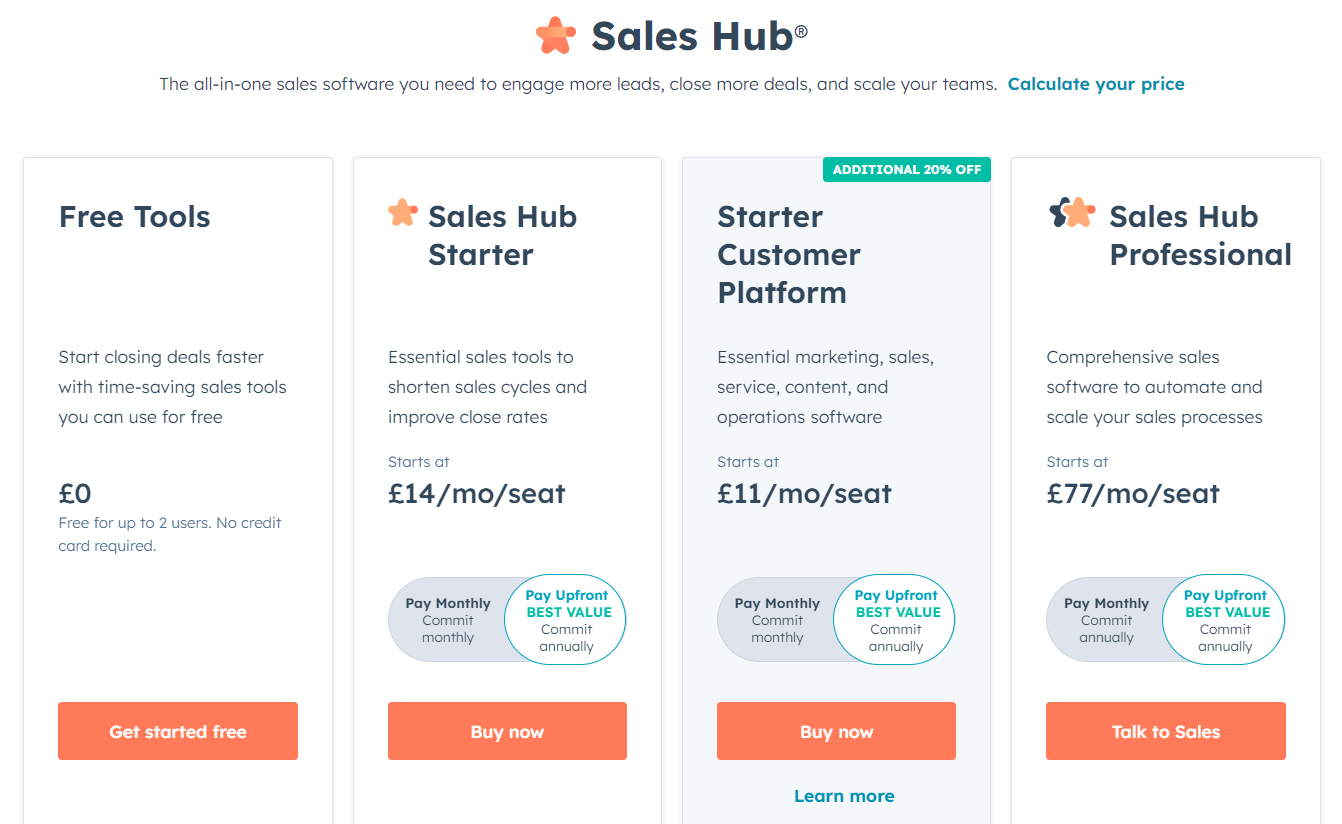
The platform has a freemium version that gives you access to its free marketing, operations and sales tools.
To access HubSpot Sales Hub’s more advanced features, you will need to sign up for one of its three paid plans:
- Starter:$20/month/seat, which adds 50 active lists, no HubSpot branding, 5,000 email templates, and email scheduling.
- Professional: $100/month/seat, which adds 1,200 active lists, up to 100 inboxes, and up to 15 deal pipelines per account.
- Enterprise:$150/month/seat, which adds 2,000 active lists, up to 200 inboxes, and recurring revenue tracking.
Pros and Cons
✅ All-in-one sales planning tool that gives you access to workflow automations, and advanced analytics.
✅ AI-powered sales assistant.
⚠️ The templates are not very customizable.
⚠️ The platform may not be easy to navigate for sales reps who are new to the industry.
#3: Salesforce Sales Cloud
Best for: Syncing your sales data across different platforms to track your leads.
**Similar to:**HubSpot, Pipedrive.
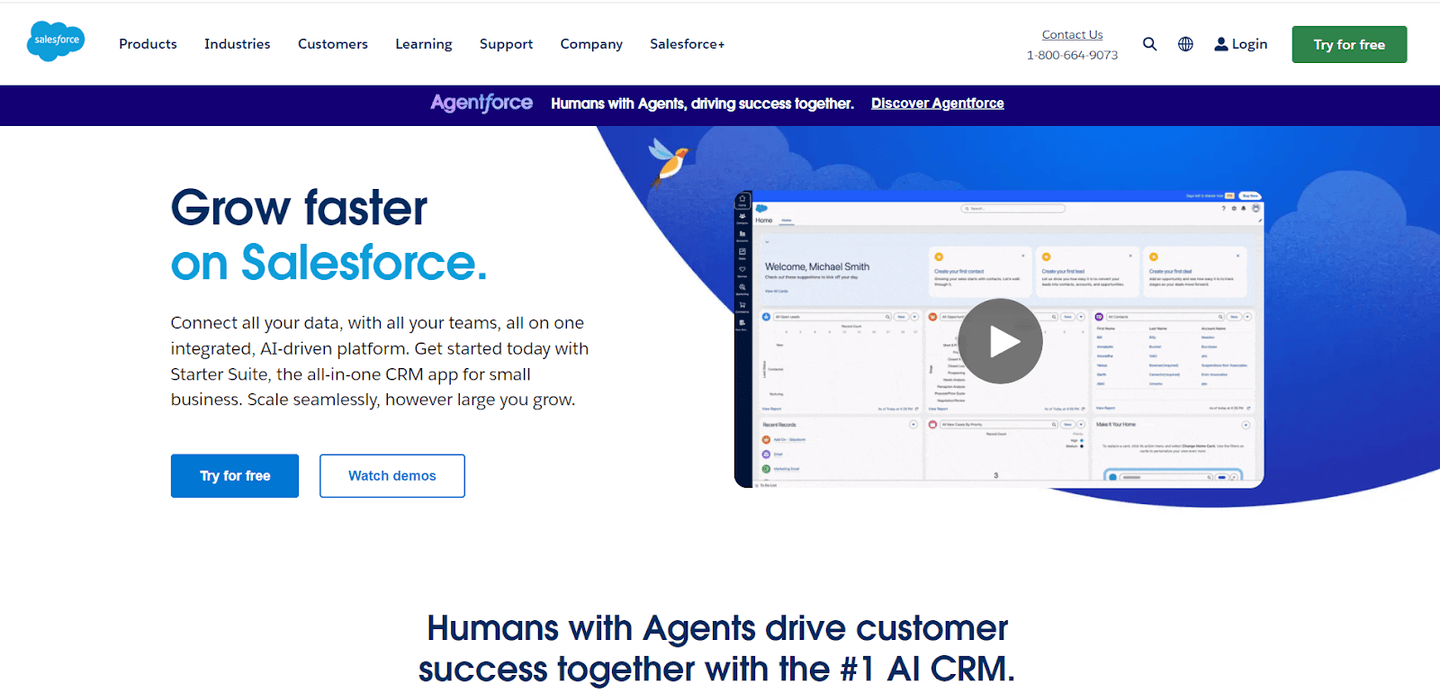
Salesforce, similar to HubSpot, is an all-in-one sales planning platform that lets you connect your sales data with your team.
Features
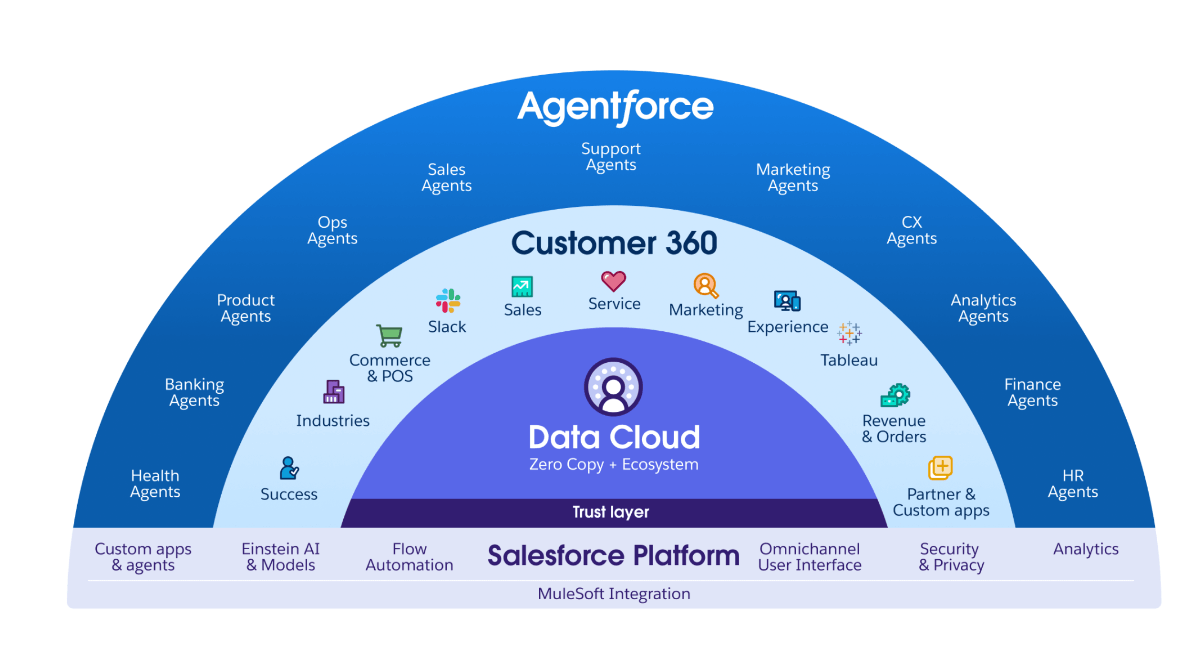
- A comprehensive sales planning platformlets you set up workflow automations and helps you make data-driven decisions with its sales analytics platform.
- **Salesforce AI (Einstein):**Bring conversational AI to any workflow, user, department, and industry.
- **Advanced sales analytics:**Get an overview of sales performance, sales cycles, and rich visualizations to improve your sales forecasting.
Standout Feature: Revenue Lifecycle Management
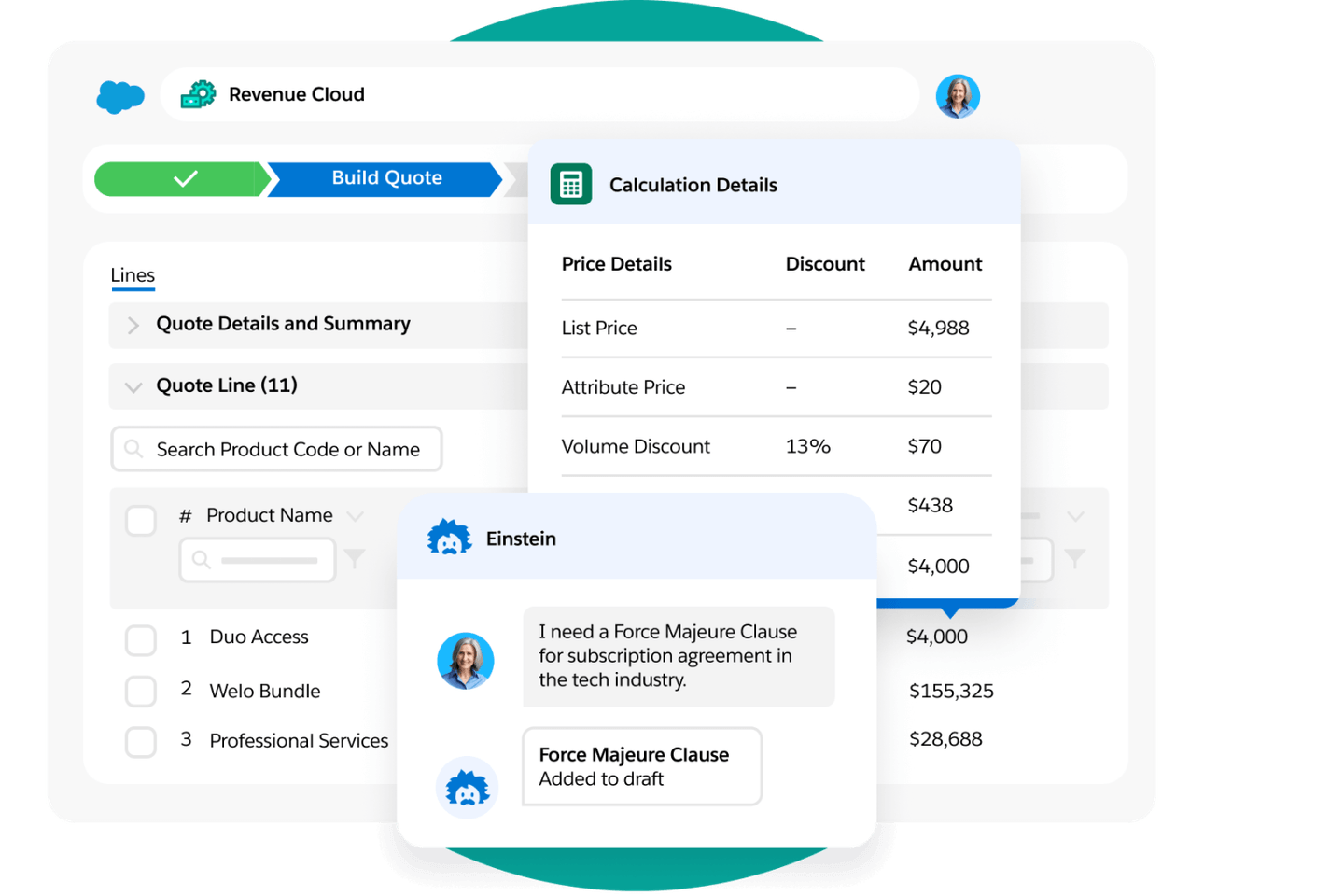
Salesforce’s Revenue Cloud helps you close deals faster with guided quoting and AI.
Your team can streamline the quote-to-cash process and manage the contract lifecycle, orders, and billing all from the tool’s CRM.
Pricing
Salesforce does not have a free plan for its Sales Cloud product suite and bases its pricing on user seats.
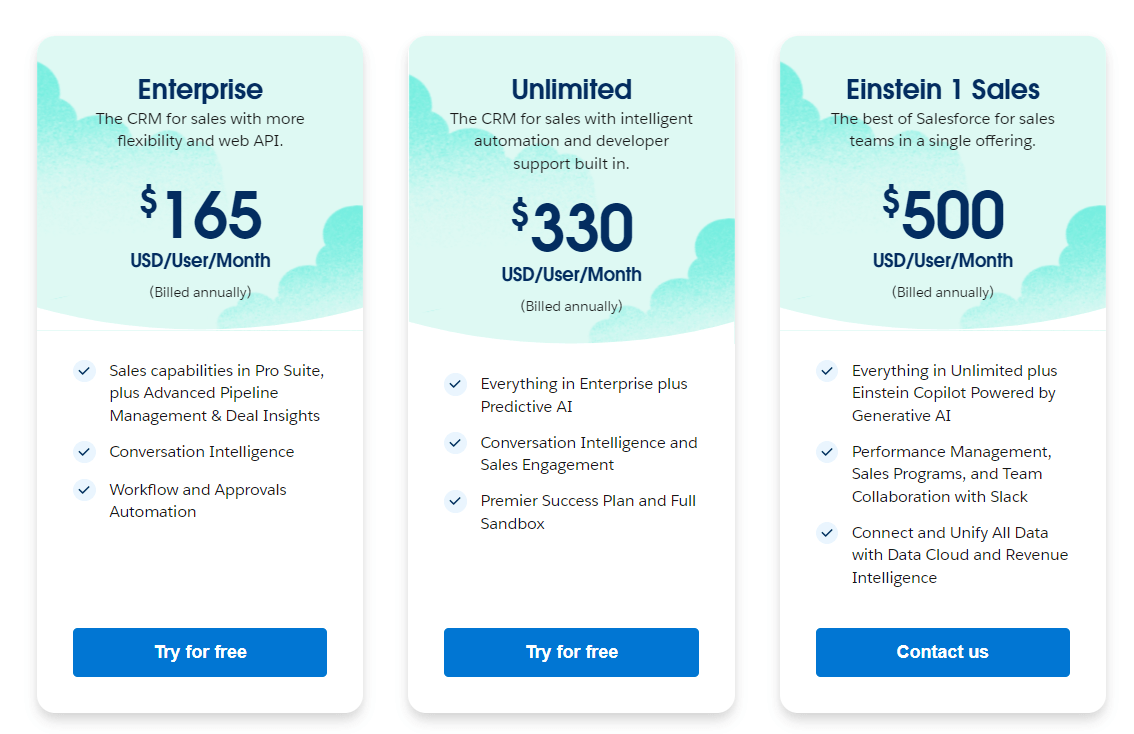
The sales management platform’s enterprise platform has three paid plans:
- Enterprise:$165/month/user when billed annually, which gives you access to advanced pipeline management, conversation intelligence, and workflow automations.
- Unlimited: $330/month/user when billed annually, which adds predictive AI, conversational intelligence, and sales engagement features.
- Einstein 1 Sales:$500/month/user when billed annually, which adds Einstein AI, team collaboration with Slack, and revenue intelligence.
**Note:**The platform also has startup-friendly pricing, which starts from $25/month/seat and offers lead, account, contact, and opportunity management in a simplified set-up and onboarding.
Pros and Cons
✅ All-in-one sales platform that lets you sync all of your lead data.
✅ AI-powered features for generating text and making predictions.
✅ Scalable automations.
⚠️ The platform can get expensive if you need to onboard many sales reps.
⚠️ Limited customization when compared to other alternatives.
#4: Gong
Best for: Analyzing customer interactions across multiple platforms.
Similar to: Zoominfo.
Gong is a revenue intelligence platform that helps you analyze customer interactions across phone, email, and web to win more deals.
Features
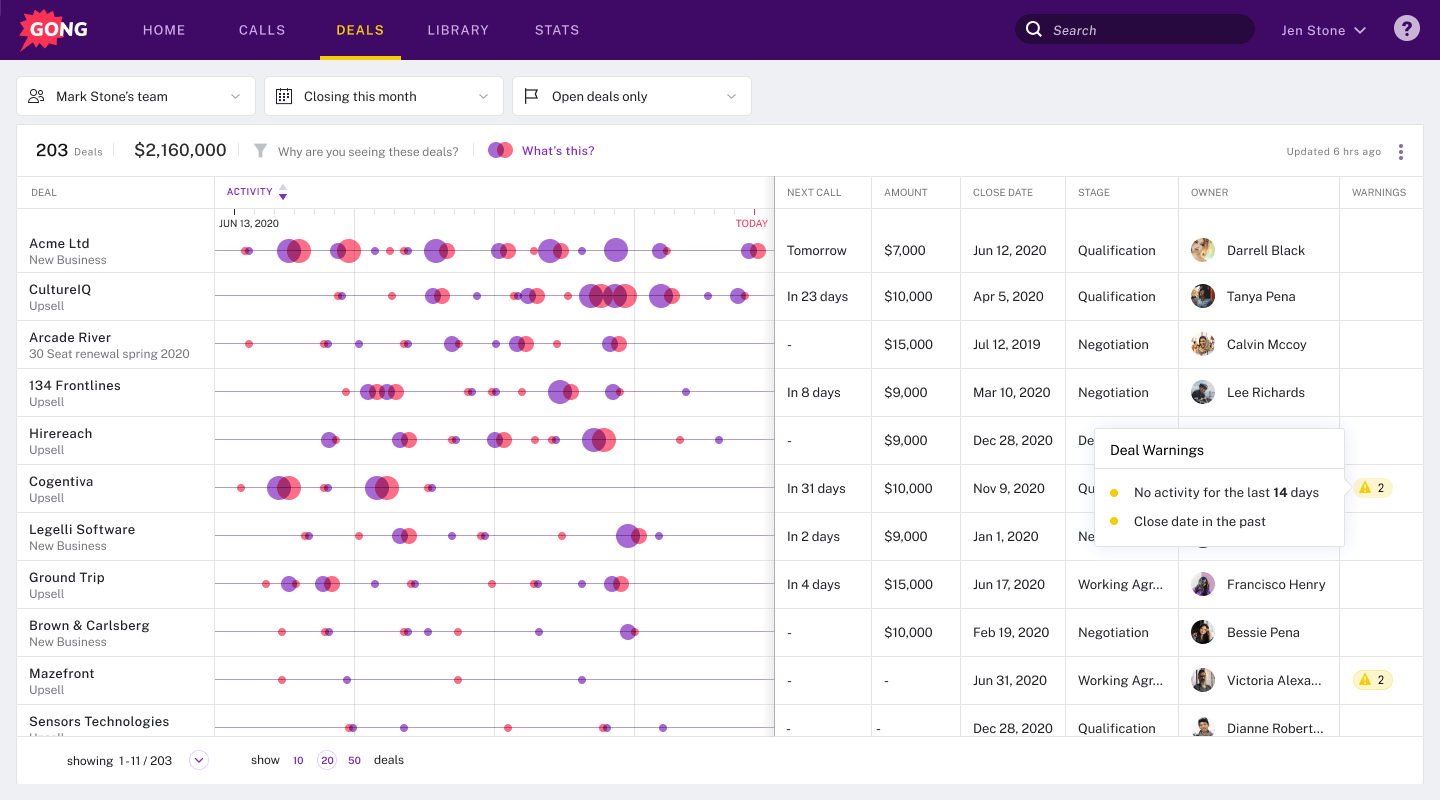
- **Gong Insights:**The platform tracks your deals through the sales pipeline and lets you identify risks and opportunities.
- Recording, transcription and analysis of customer interactionsto help you identify patterns and generate AI-powered insights.
- Sales feedback and coaching functionality that gives you access to real-time feedback on sales calls and coaching.
Standout Feature: Gong AI
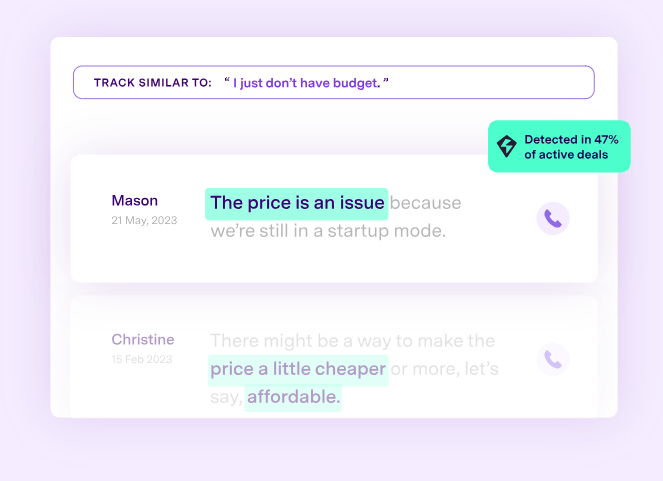
Gong AI helps you analyze data, track initiatives and translate customer conversations.
It is also possible to customize Gong AI to your business needs with its user-trainable system.
Pricing
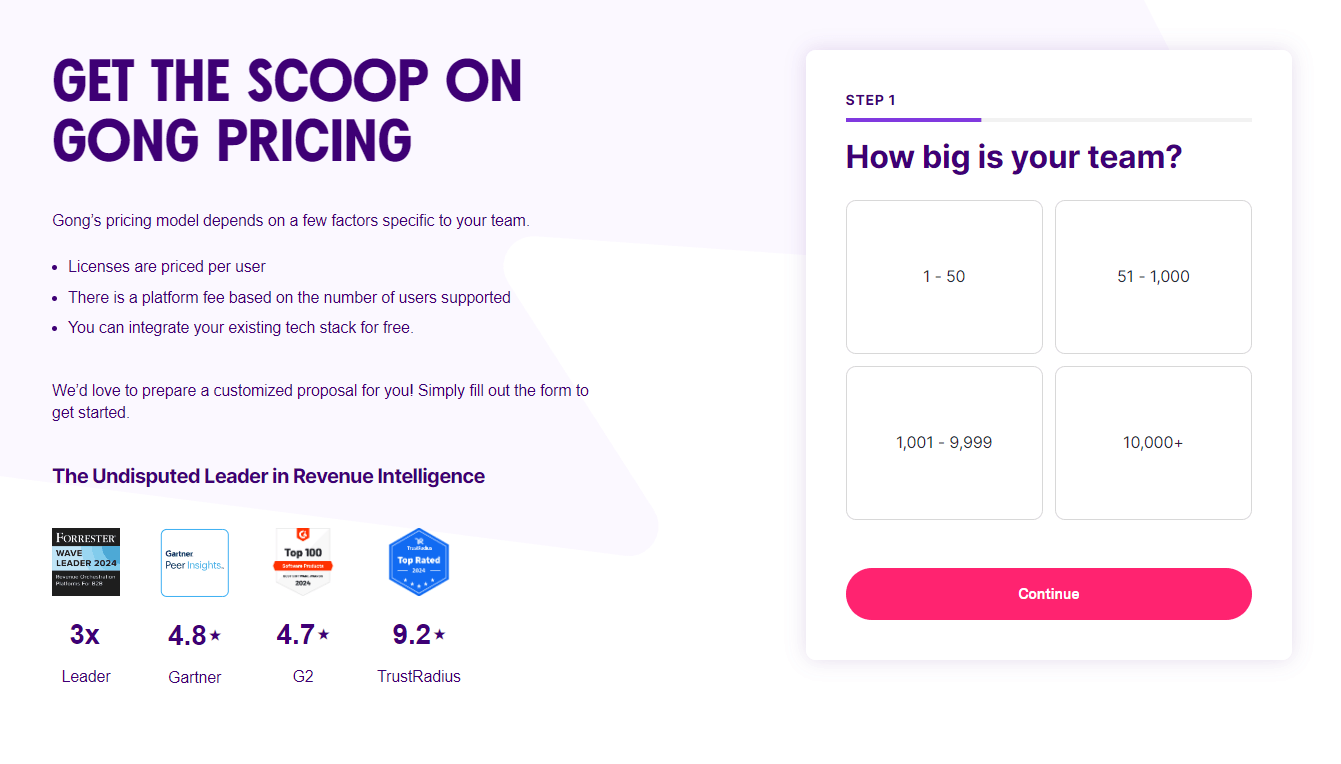
Gong does not disclose its pricing on its website, so you’d have to contact them to get a quote.
We found 3rd party data from Vendr that suggests the platform bases its pricing per user and it is between $1,000 - $2,000 per seat a year.
Out of the 181 deals Vendr has handled for Gong, the average contract value was $105,530 a year.
Pros and Cons
✅ Easy-to-use sales call recording platform.
✅ Sales feedback to your reps to help you train them.
✅ AI-powered tool to assist you with forecasting and data analysis.
⚠️ The call scripts to text may not be 100% accurate.
⚠️ Some platform users are not satisfied with the tool’s search functionality.
#5: Varicent
**Best for:**Planning and analyzing your GTM strategy.
**Similar to:**Anaplan.
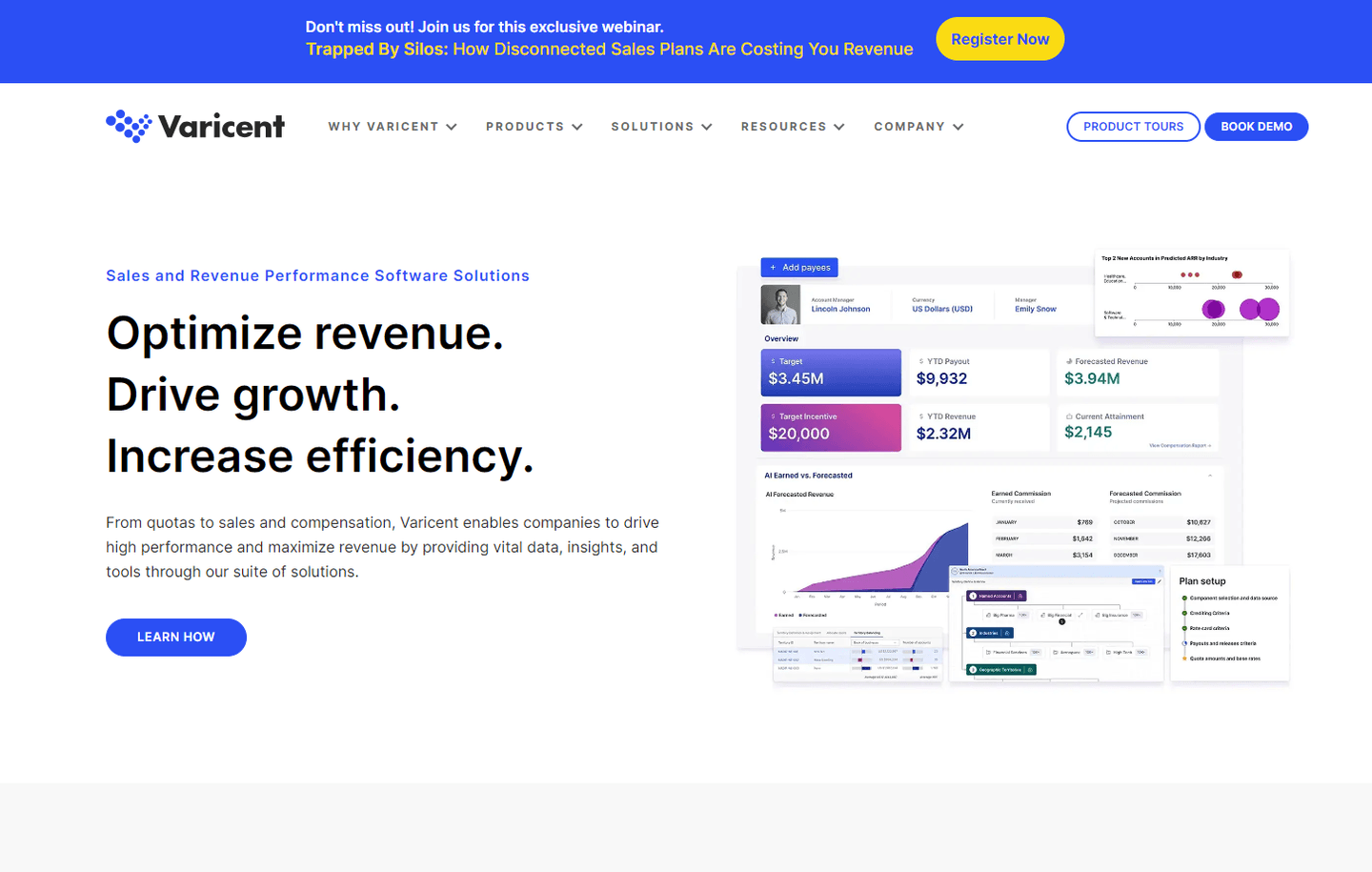
Varicent lets you design and deploy your entire GTM strategy to help you optimize for market coverage, monitor performance, and adapt to market conditions.
Features
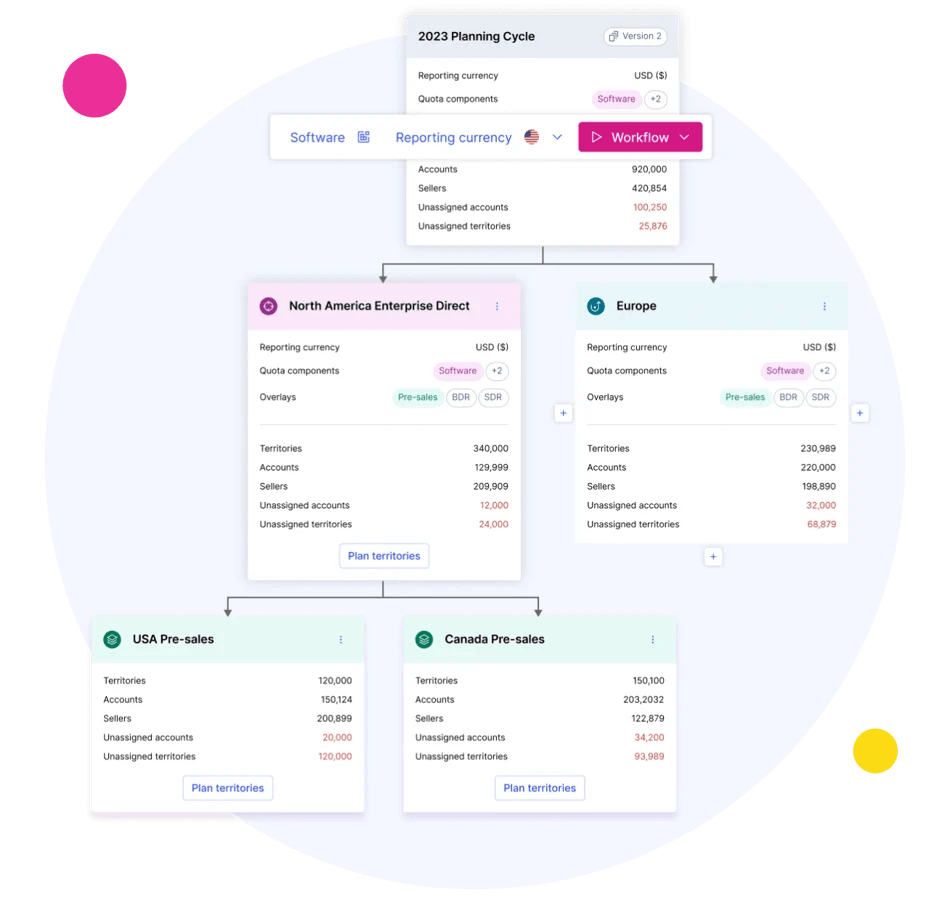
- Prioritize sales investmentswith territory and quote plans to capitalize on market potential.
- Set up your entire go-to-market strategy: Build detailed plans, analyze sales performance, and identify gaps with visualizations.
- Allocate target and quoteswith top-down and bottom-up approaches that help your sales team deliver revenue goals.
Standout Feature: Predictive Intelligence
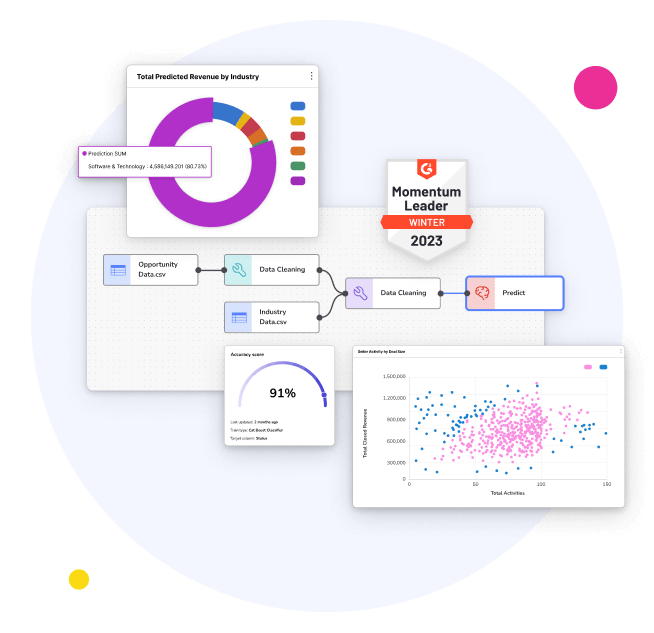
The platform lets you calculate potential outcomes and predict market shifts with the platform’s advanced analytics.
Varicent’s predictive intelligence accurately assesses seller profiles and capacity to reduce the risk of churn.
Pricing
Similar to Gong, Varicent also does not disclose its pricing. You will have to contact them for a product demo and a quote.
Pros and Cons
✅ All-in-one GTM sales planning tool.
✅ Lead prioritization features.
✅ Predictive intelligence that aims to identify risks with your deals.
⚠️ There might be a learning curve for new users.
⚠️ Some customers report performance report delays when analyzing large volumes of data.
#6: Zoominfo
**Best for:**Keeping track of risky deals.
**Similar to:**Highspot, Membrain.
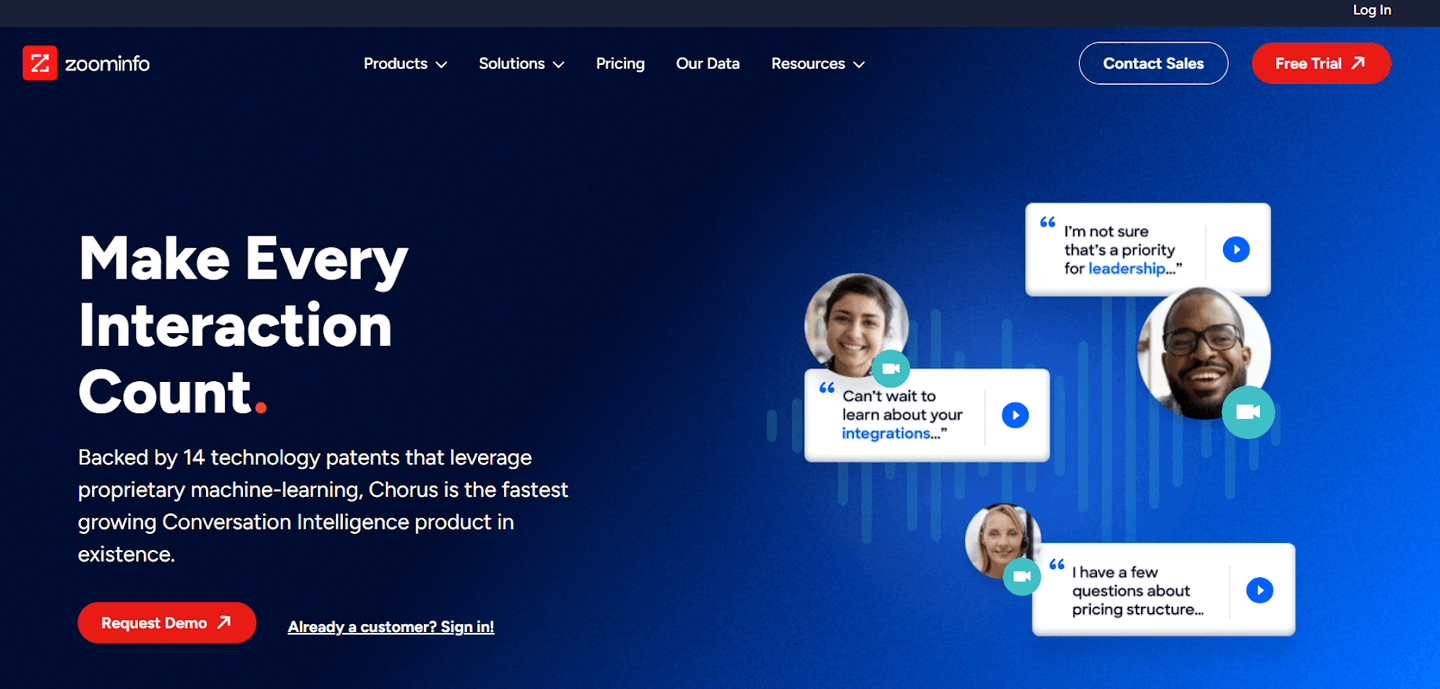
Zoominfo (previously Chorus) is a sales planning software that lets sales teams get insights into their past sales interactions to uncover factors undermining sales deals.
Features
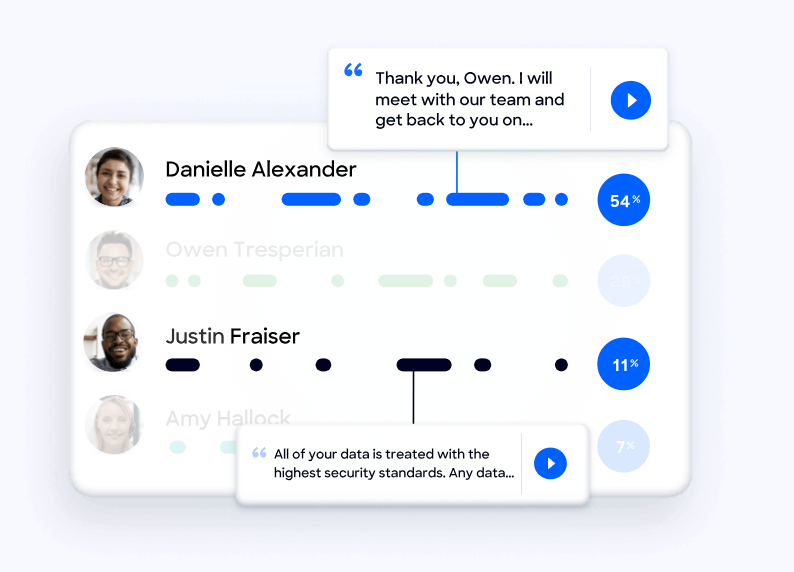
- **Sales transcriptions:**You can access sales call transcriptions with insights into customer calls.
- Identify winning sales behaviors and coaching opportunities to improve your sales team’s performance.
- Connected intelligence: See the entire relationship history for each contact and refine your outreach based on past interactions.
Standout Feature: Market Intelligence
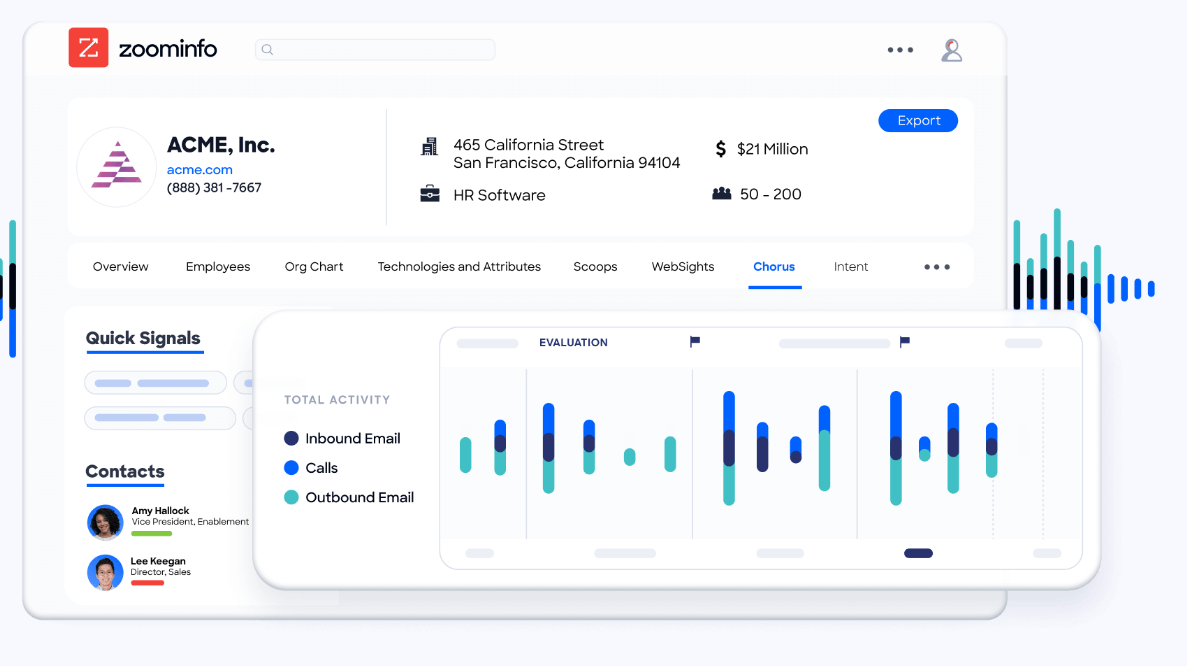
Zoominfo’s market intelligence helps you discover why you are winning or losing deals.
The sales enablement software captures and analyzes your customers’ voices and messages to better understand the trends impacting your deals.
Pricing
Similar to Gong and Varicent, Zoominfo also does not disclose its pricing. You’d have to contact them to receive a quote and a product demo.
We found 3rd party data from Vendr that the sales platform’s pricing is based on the number of seats and ranges between $24,800 to $161,900 per year.
Pros and Cons
✅ You can spot risky deals and be able to act on them.
✅ Identify coaching opportunities for your sales reps.
✅Find out why your customers are choosing competitors.
⚠️ More expensive than other alternatives on the market.
⚠️ Data accuracy may not be the best, according to some platform users.
#7: Proposify
**Best for:**Sending out branded proposals and quotes.
**Similar to:**Salesforce.
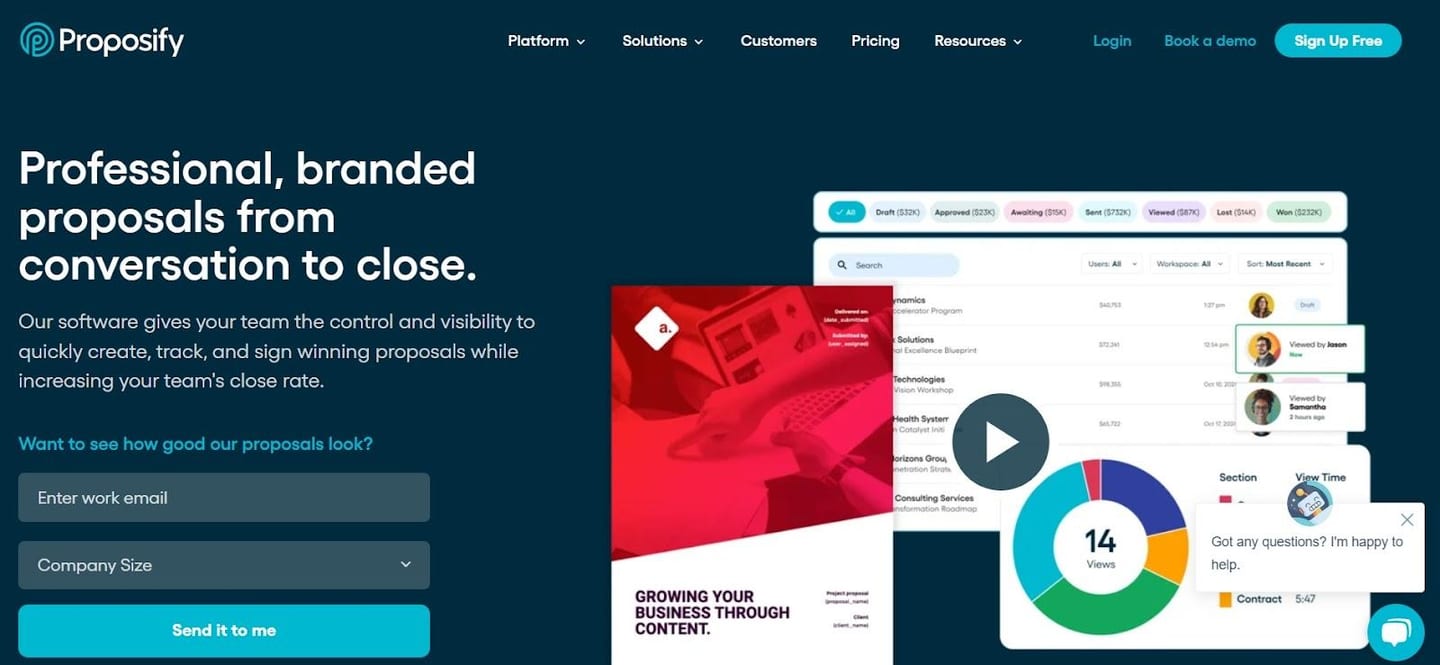
Proposify is a sales proposal software that lets your sales team create, track, and send out winning proposals to win more deals.
Features
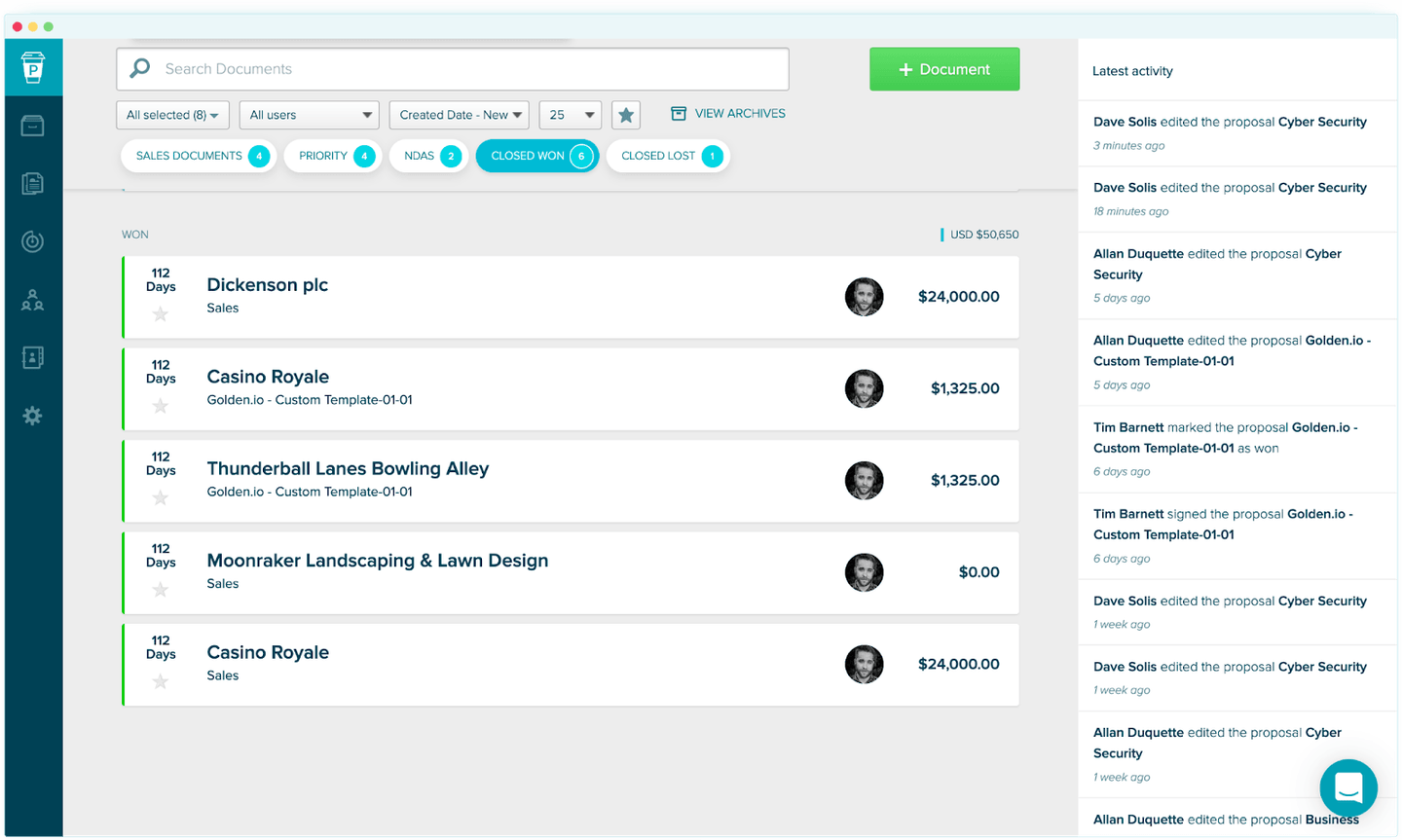
- **Proposal software platform,**which is accessible from any device. You can then export your sales proposals as a PDF.
- Automate your proposal process and send on-brand proposals with Proposify’s pre-built proposal templates.
- Integrations withsales CRMs like Agile, HubSpot, and Salesforce.
Standout Feature: Personalized & Interactive Quoting
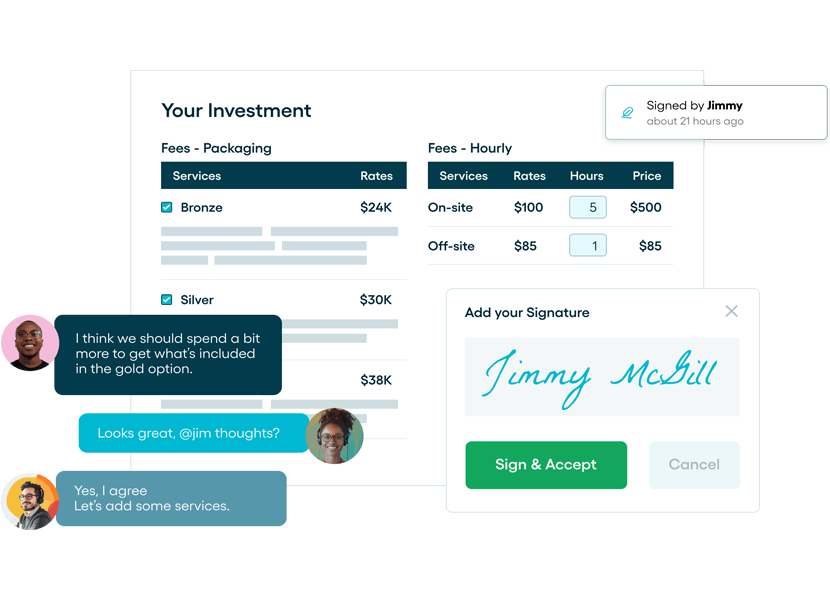
The platform lets you create and send out personalized quotes with dynamic pricing. Tailored quotes can also be used to up-sell prospects.
Pricing
Proposify has no free plan and bases its pricing on user seats.
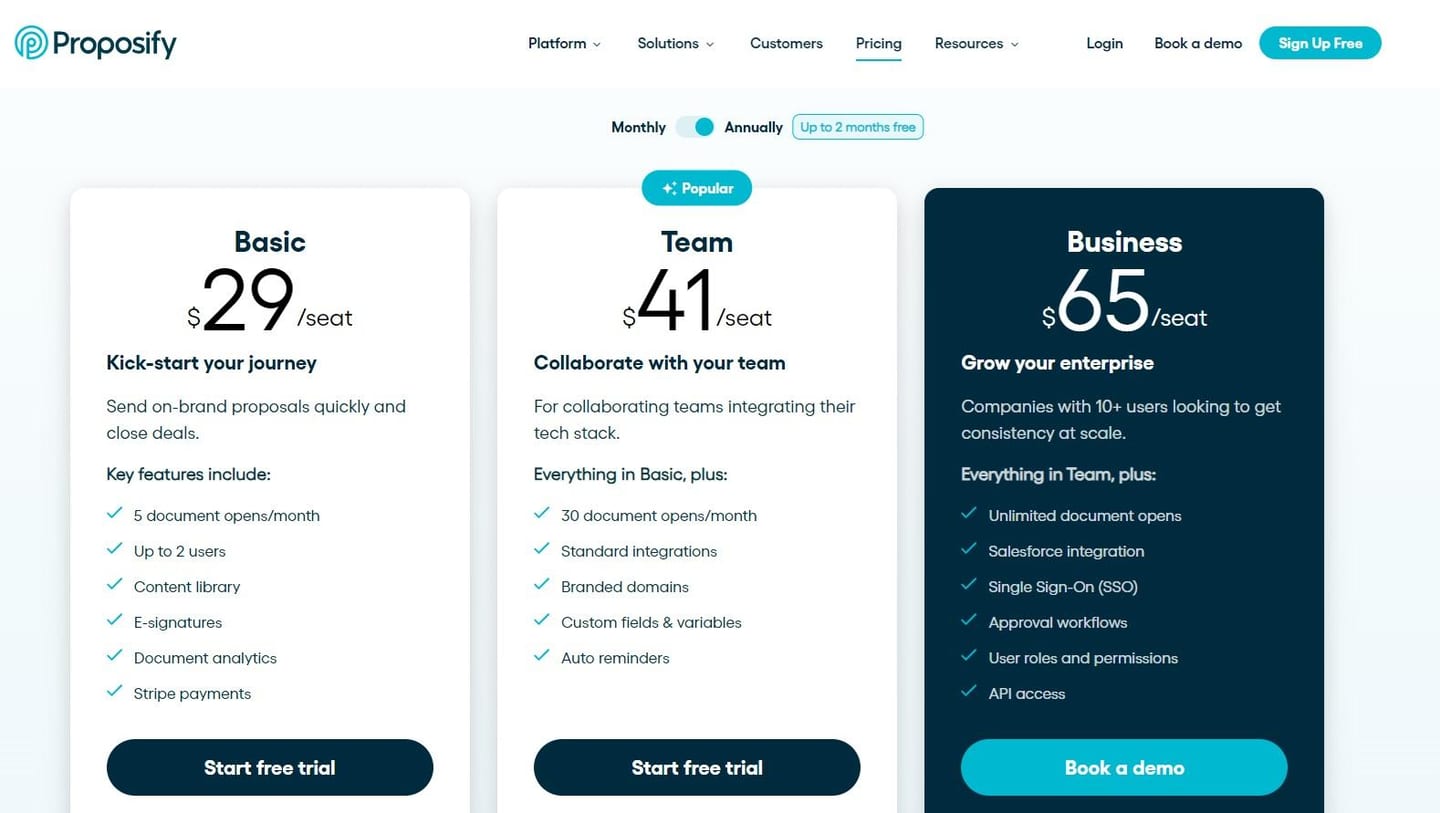
The sales proposal software has three pricing plans:
- Basic Plan:$29/month/user, which gives you access to 5 document opens/month, e-signatures, document analytics, and content library.
- Team Plan:$41/month/users, which adds 30 document opens/month, branded domains, standard integrations, and custom fields & variables.
- Business Plan:$65/month/users for a minimum of 10 seats, which adds unlimited document opens, deep Salesforce integration, API access, and approval workflows.
Pros and Cons
✅ Interactive quotes that are personalized and optimized for up-selling.
✅ Ready-to-go templates.
✅ Integrations with a wide range of CRMs.
⚠️ Limited customization, similar to GetAccept.
⚠️ There are some reported bug issues with the platform.
#8: Anaplan
**Best for:**Sales territory planning based on the product line, industry customer, or country.
**Similar to:**Varicent, Gong.
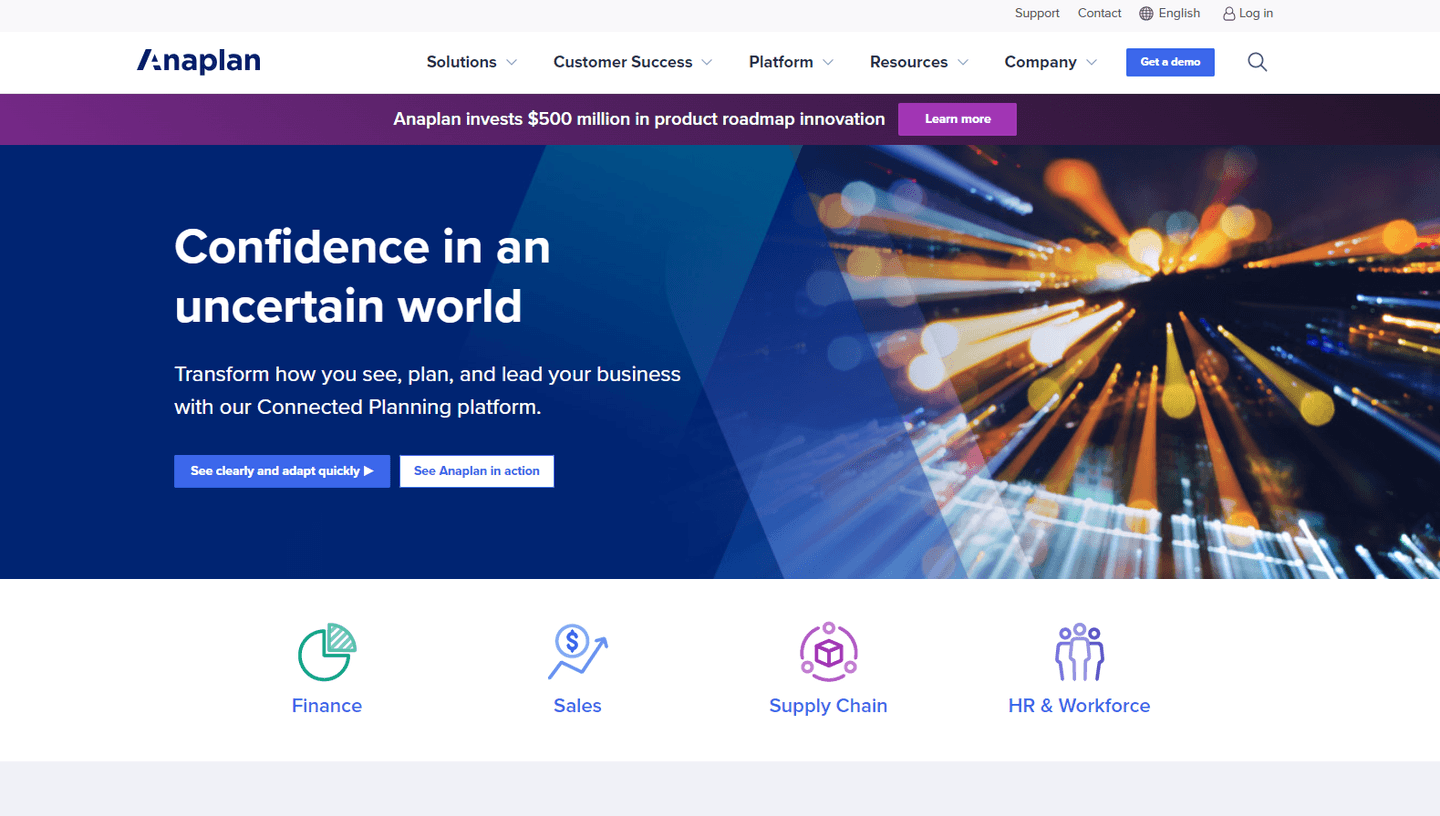
Anaplan is a sales planning software that helps you uncover your ideal customers and gain access to real-time visibility of sales performance.
Features
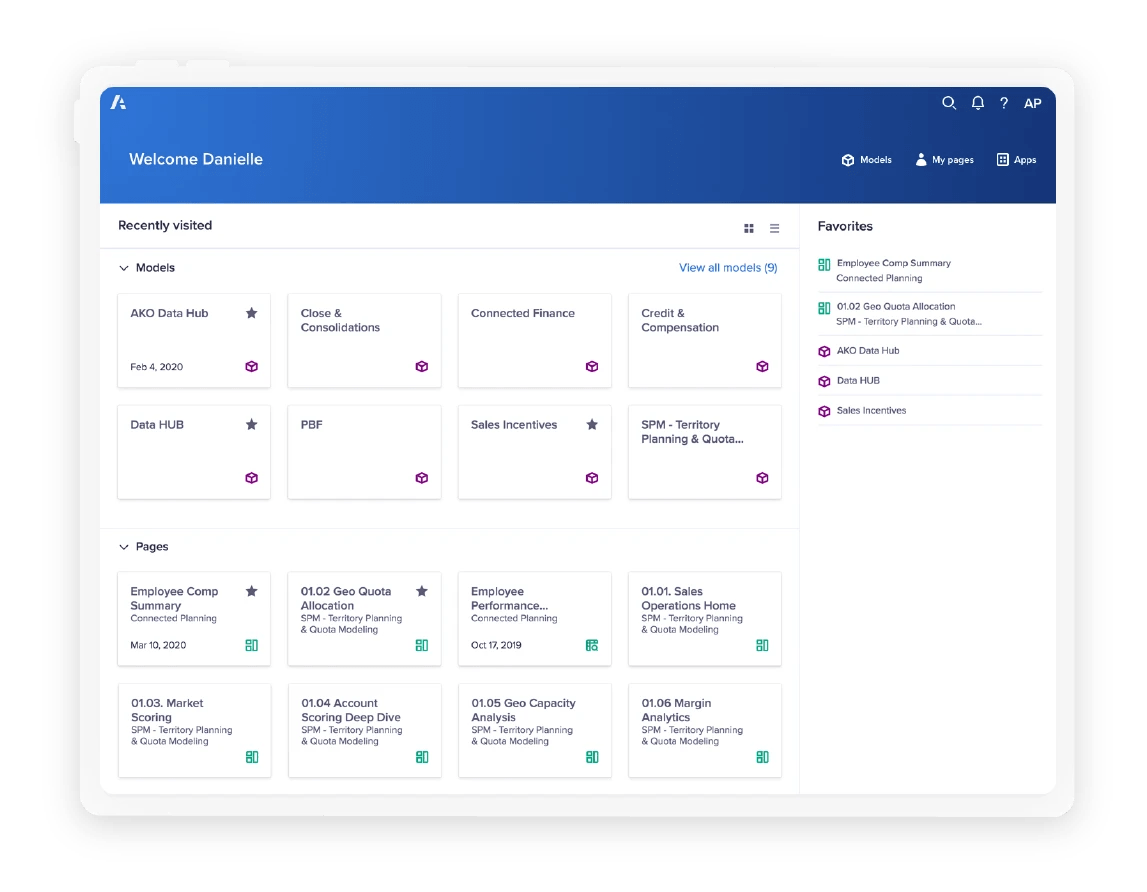
- Find out who your ideal customers arewith Anaplan’s predictive account segmentation and scoring.
- Territory planninghelps adjust your plans and create territories based on country, industry, products, or consumers.
- **Quota planning:**You can model, compare, and deploy optimized quotas for each sales rep.
Standout Feature: Sales Capacity Planning
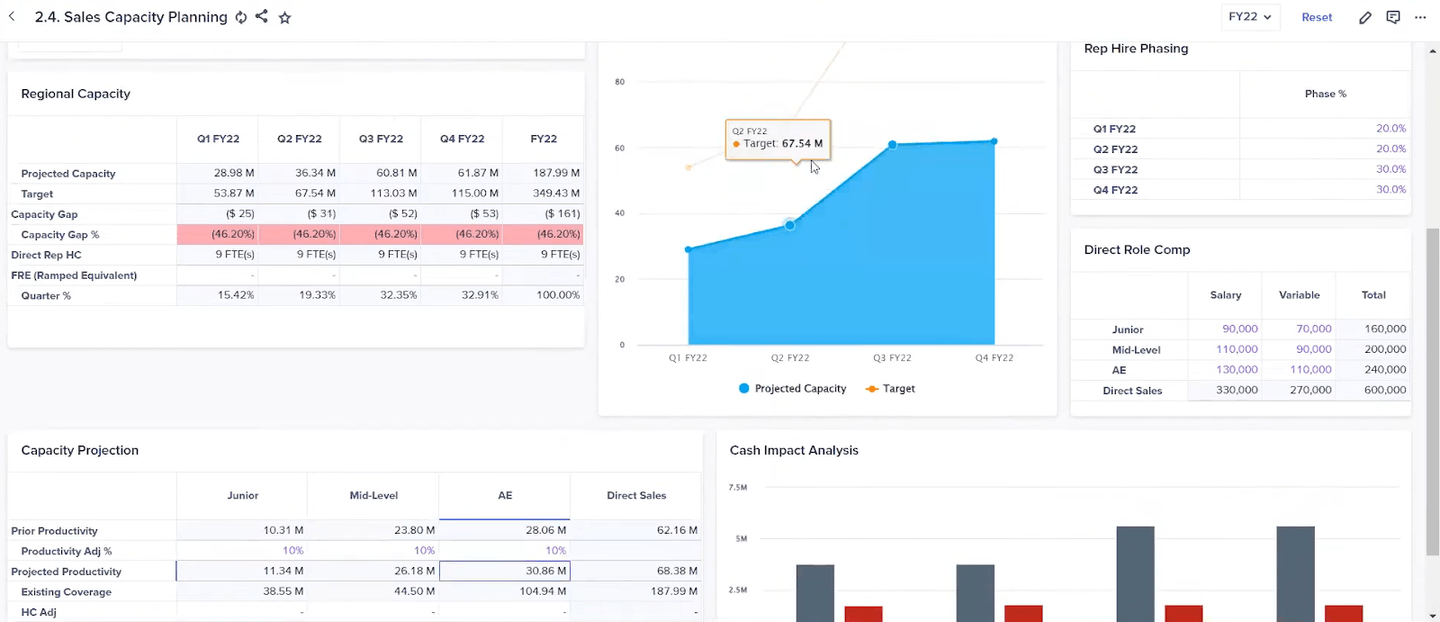
Anaplan’s sales capacity planning feature helps you create sales coverage models by using sales factors and buyer propensity insights.
Pricing
Anaplan does not disclose its pricing, so you’d have to contact their team for a product demo and a quote.
Third party data from Vendr suggests that the average cost out of the 44 deals they handled for Anaplan was $196,864 a year.
Pros and Cons
✅ Uncover your best sales opportunities.
✅ Advanced sales territory planning.
✅ Customers are satisfied with the platform’s ease of use.
⚠️ Lack of native deep integrations with external systems.
⚠️ Models need to be developed and maintained by model-building experts.
#9: Pipedrive
**Best for:**Planning and automating your sales pipeline.
**Similar to:**HubSpot, Salesforce.
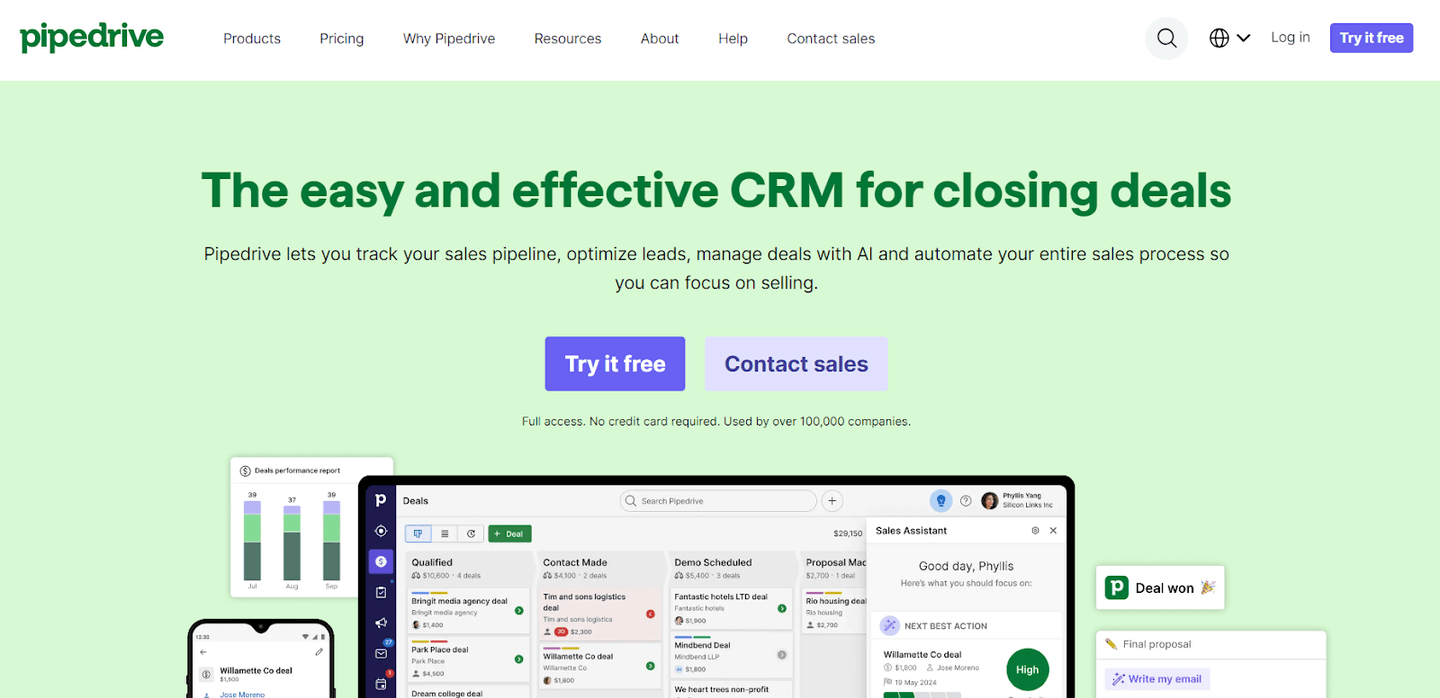
Pipedrive is an all-in-one sales planning software that lets you track your sales pipeline and automate your entire sales process, saving you time with lead nurturing features.
Features
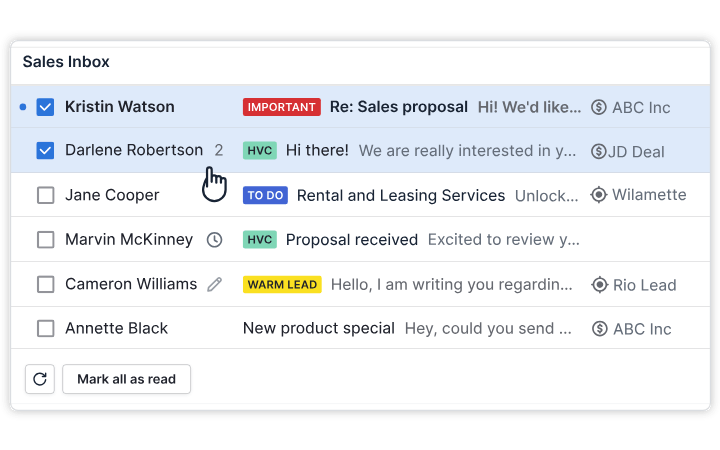
- **Sales automation system:**Automate your outreach process, such as sending out tailored emails and moving deals along the pipeline stage.
- Lead managementfeatures that use lead qualification and lead prioritization to help your sales reps focus on the right deals.
- **Advanced reporting and insights:**Recognize winning patterns in lead behavior to optimize your workflows and close more deals.
Standout Feature: Pipedrive AI
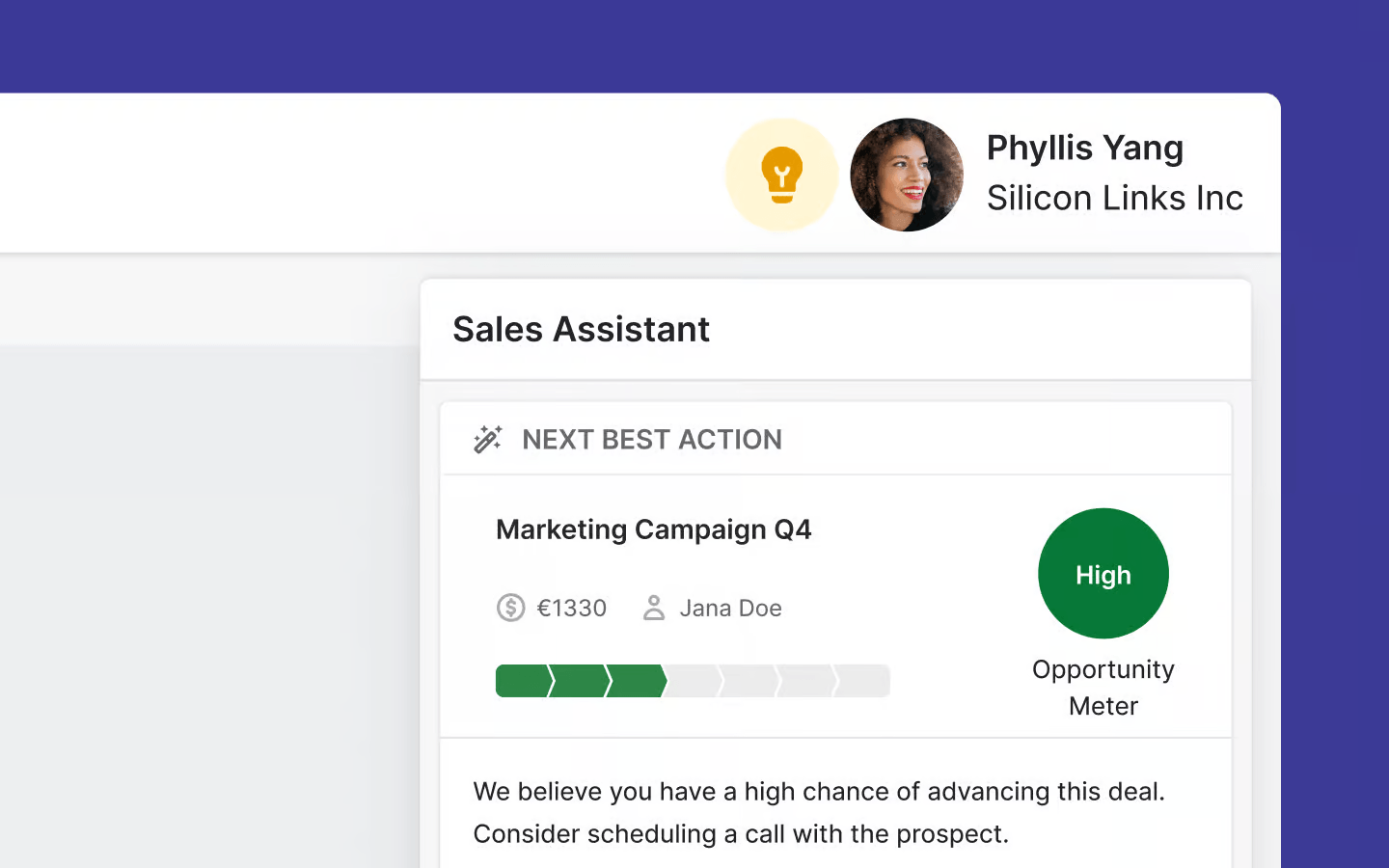
Enable your sales reps to save time, improve their performance and make better decisions with Pipedrive AI.
The platform’s AI capabilities help your sales team with generative AI for:
- Deal summarizations.
- Integration recommendations.
- Email summarization and content generation.
Pricing
Pipedrive has no free plan and bases its pricing on user seats.
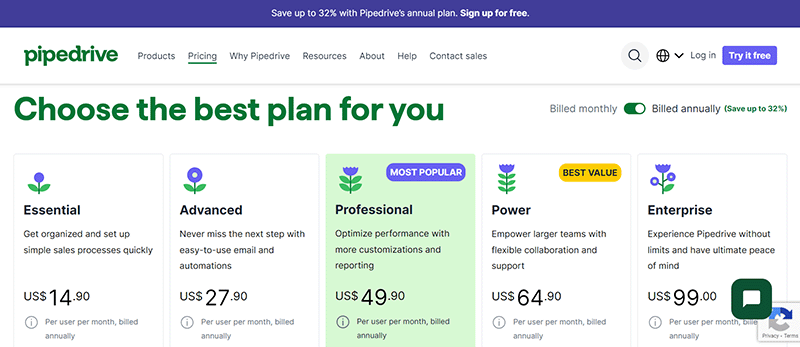
The sales planning solution has five pricing plans that accommodate both small and large enterprises:
- Essential: $15/month/seat, which gives you access to lead, calendar, pipeline management, and deal and contact reports.
- Advanced: $28/month/seat, which adds full email sync with templates, open and click tracking, and access to the tool’s automation builder.
- Professional: $50/month/seat, which adds an AI-powered assistant, contract and proposal management with e-signature, and revenue forecasts.
- Power: $65/month/seat, which adds project planning, tracking and delivery, and permission control of accounts.
- Enterprise: $99/month/seat, which adds enhanced security, complete access to all features, and unlimited reports and customizations.
Pros and Cons
✅ Advanced sales automations.
✅ Good sales analytics and AI-powered forecasting.
✅ All-in-one sales planning tool.
⚠️ Some customers find the platform hard to use due to the depth of features.
⚠️ Limited native integrations when compared to other competitors.
#10: DeepLoop
Best for: Automating your sales pipeline to save time.
**Similar to:**Pipedrive.

DeepLoop is a sales planning platform with advanced automation features powered by AI to help your sales team score leads, capture data, and automate workflows to save time.
Features
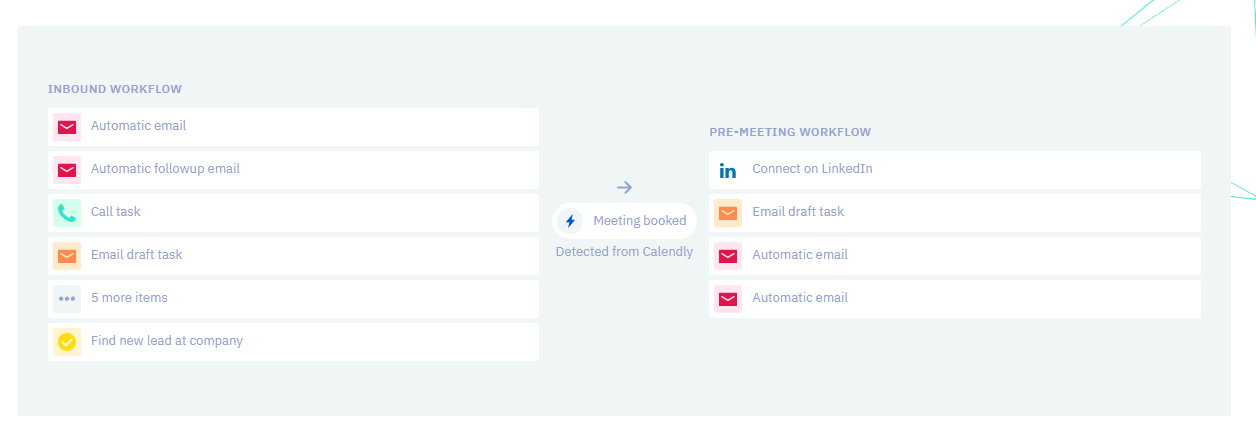
- Set up automated workflowsto send targeted emails, and schedule calls and tasks on sales prospecting tools like LinkedIn.
- **AI-powered lead scoring:**The platform will evaluate and score your leads based on their likelihood of becoming customers so your team can prioritize leads to focus on.
- Real-time sales analytics and insightsinto sales performance, lead behavior, and market trends to help your sales team make better decisions.
Standout Feature: Analysis of Past Customer Interactions
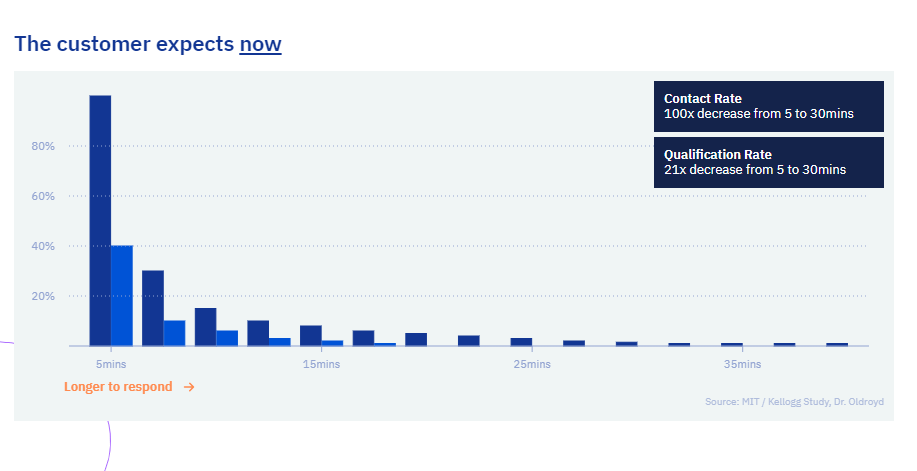
DeepLoop’s sales planning platform lets you analyze customer interactions at scale to refine your outreach approach and planning.
The model learns as time goes on, and its adaptive learning of customer conversations helps you improve how you deal with your prospects.
Pricing
We were not able to find pricing information on DeepLoop’s website.
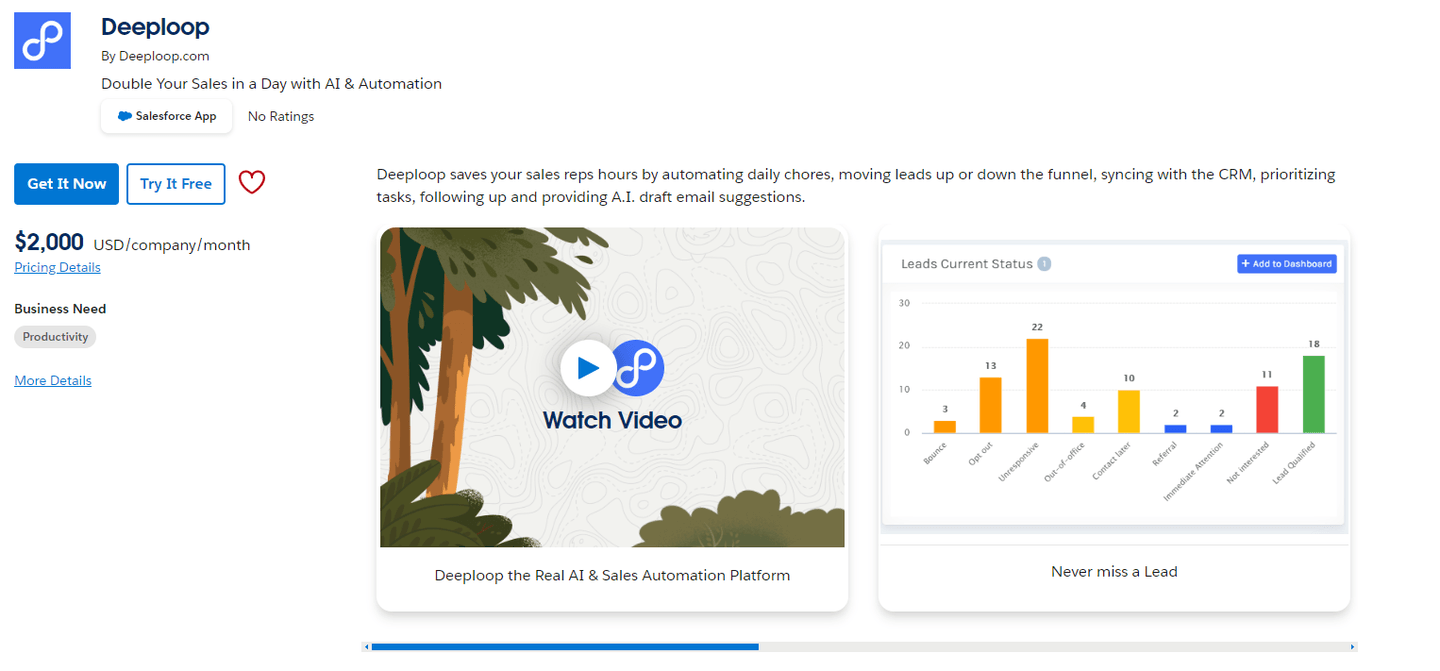
However, we did find the sales enablement platform’s app on the Salesforce AppExchange, where it’s listed for $2,000/company/month with all features included.
Pros and Cons
✅ Set up automated workflows to save time.
✅ Analyze customer interactions to gain insights into what is driving them to your competitors.
✅ Fixed pricing in the Salesforce marketplace that is more affordable than other alternatives.
⚠️ New and untested platform that does not have many reviews.
⚠️ Only available in English.
Check your deals before you buy a planning tool
Open your team’s active deals. Count how many have a dated next step, a follow-up sent since the last call, and more than one contact on the buyer’s side. If most don’t, your reps are improvising those deals, and a better quota plan won’t fix it. Book an agent kickoff to see the gameplan Arrows builds for each one.
If most do, your gap is the quarterly plan. With 3 to 30 reps, your CRM’s forecast and a quota sheet usually cover it. Anaplan and Varicent fit larger teams with a sales ops function to run them.