

View all resources
A roadmap for building a connected customer journey in HubSpot

Stuart Balcombe
•
October 21, 2022
•
1 minute
.png)
Table of Contents
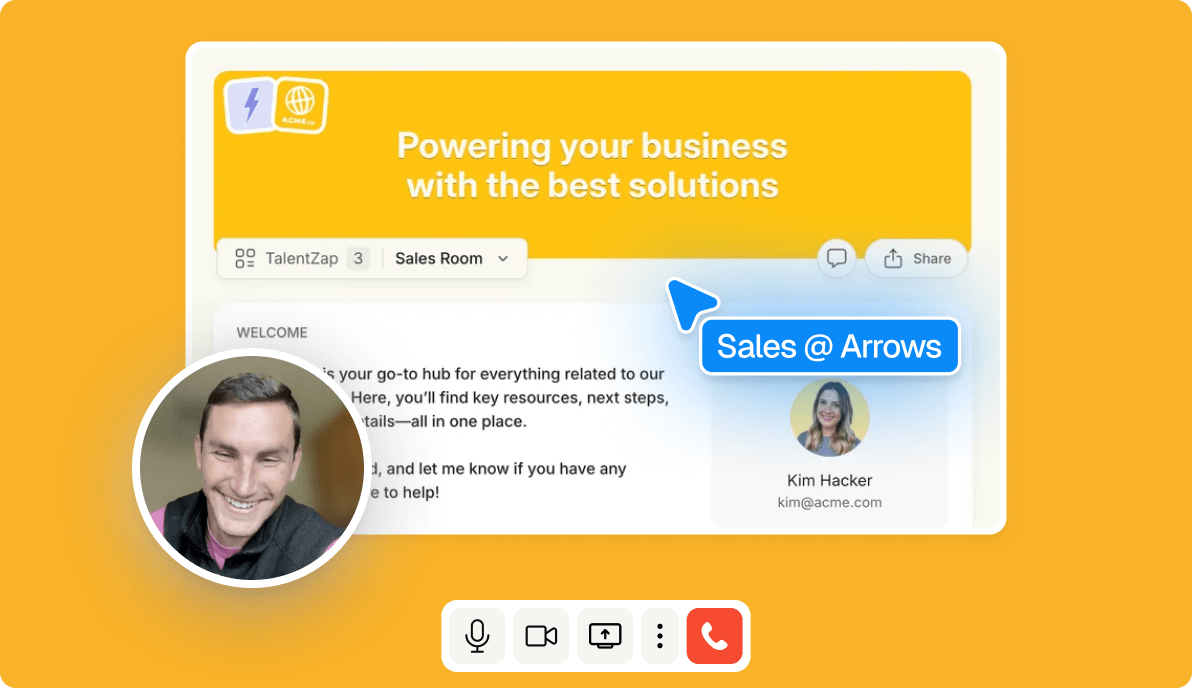
HubSpot is much more than just a marketing and sales tool. It can connect all your customer facing teams.
That means they’ll always know:
- Where customers are
- Who is responsible for what
- What’s next to make them successful
Here’s a roadmap for getting started:
1. Use pipelines to define each stage of the customer journey
- Create your pipelines using tickets, deals, or custom objects
- Define required fields to move between stages
- Define requirements to move between pipelines. eg. Sales to onboarding.
2. Bring your customer data together in one place
- Sync product usage date to HubSpot using 3rd party tools like Hightouch or Syncari
- Use workflows to make it available on all records as needed
- Group properties on objects for easy access and cross team visibility
3. Use automated workflows to define journeys and enable your team
- Automate sales to onboarding handoffs
- Move customers through pipeline stages
- Kickoff playbooks and sequences for renewals, QBRs, or any critical lifecycle event
- Escalate “at-risk” accounts to avoid churn and increase retention
- Keep data in sync between teams and surface what is needed at the right time to be effective
4. Align on customer outcomes with a shared success plan
- Create a shared plan attached to HubSpot objects using Arrows to collaborate with customers
- Ensure everyone knows what to do next to make customers successful
- Use real-time data about progress and blockers in a plan for reporting and automated workflows
5. Report on team performance and customer outcomes
- Customer health scores
- # of accounts and performance by team members
- Onboarding progress report
- Internal activities vs customer engagement
- Missing data + process adherence report
Your customers don’t care what tools you use to help them be successful.
They do care their experience is connected and consistent no matter who they’re interacting with at your company.
Running customer success in HubSpot can give them that.
Your customers will be happy you subscribed to our newsletter.
Join 14,000+ subscribers who read the Happy Customers newsletter—it's jam-packed with tips-and-tricks about sales, onboarding, HubSpot, and winning happy customers at scale.
You'll also be subscribed to the Happy Customers newsletter.